Metabolic health
How to verify an online pharmacy
Verify an online pharmacy through state licensing records, prescription requirements, pharmacist access, contact details, privacy terms, and independent checks.
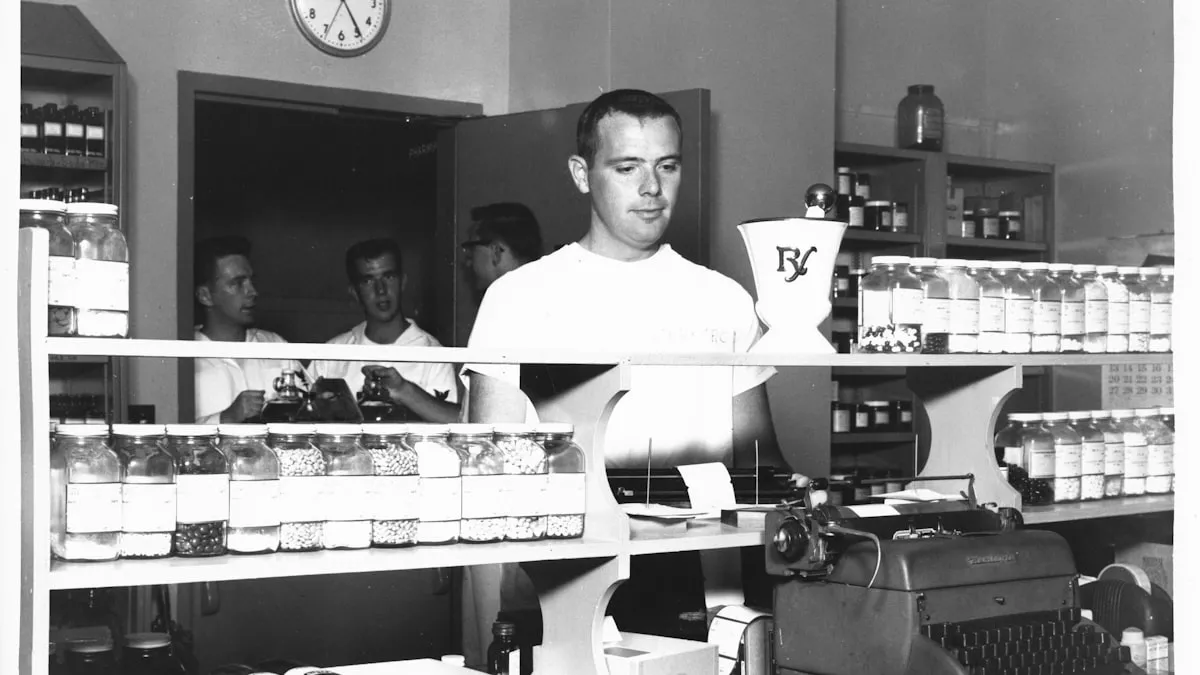
A legitimate U.S. online pharmacy requires a valid prescription for prescription medicine, identifies the pharmacy that will dispense it, provides access to a licensed pharmacist, and holds the licenses required by the relevant state boards of pharmacy. Verify those facts outside the seller’s website before paying or sharing health information.
Quick read: Find the dispensing pharmacy’s legal name and U.S. address. Check its active license in the state board of pharmacy database for your location, confirm that a valid prescription is required, and make sure a licensed pharmacist is available for questions. Search the exact website address with NABP’s Safe Site Search as an additional check. Stop if the pharmacy cannot be identified or independently verified.
Start with the dispensing pharmacy
A website, app, telehealth program, pharmacy, and prescribing clinician can be separate businesses. The brand collecting an intake or payment may not be the pharmacy that fills the prescription.
Before ordering, find the legal name and physical address of the dispensing pharmacy. Look in the checkout flow, pharmacy information, terms, prescription details, or support material. If the company says pharmacy assignment varies, ask which pharmacy would fill the order in your state and when that information will be provided.
A polished site, familiar logo, U.S. phone number, or paid advertisement does not prove that the dispensing pharmacy is licensed. FDA warns that unsafe sellers can use fake storefronts that resemble licensed pharmacies. Verification needs to reach the actual pharmacy and the exact website you are using.
Verify the pharmacy license outside the website
Use an independent government record rather than a license number or badge shown only by the seller. FDA’s state-licensed online pharmacy directory links to board of pharmacy databases for every state, the District of Columbia, and U.S. territories.
Search the board database using the pharmacy’s legal name and address. Check that:
- the record is for a pharmacy, not only an individual clinician or unrelated company;
- the address matches the dispensing location the site identifies;
- the license is active rather than expired, suspended, surrendered, or otherwise inactive; and
- the record covers service to your location.
FDA says that if the online pharmacy is not listed in the relevant state database, you should not use it. State requirements can distinguish pharmacies located in the state from out-of-state pharmacies serving its residents, so do not assume one state license covers the whole country.
A clinician’s license is a separate check. A licensed prescriber does not make an unlicensed dispensing pharmacy legitimate, and a pharmacy license does not prove that every clinician shown on a platform is licensed for your location.
Confirm that prescription medicine requires a prescription
FDA identifies a valid prescription requirement as a sign of a safer online pharmacy. A seller offering prescription-only medicine without a prescription is a warning sign, not a convenience feature.
An online clinical visit does not automatically mean the pharmacy is bypassing the prescription process. A telehealth program may arrange a clinician review and then send a prescription to a pharmacy if the clinician decides it is appropriate. Keep the roles clear:
- a clinician evaluates whether to prescribe;
- a pharmacy dispenses an authorized prescription; and
- a website or program may coordinate the experience.
No intake form, subscription payment, or product selection should guarantee that a prescription will be issued. The GLP-1 medication guide explains why the exact medication, approval status, warnings, and clinician assessment matter. Our care-program shelf shows how the currently listed program describes clinical review and pharmacy fulfillment; it is not a pharmacy license check.
Make sure a licensed pharmacist is reachable
FDA lists access to a licensed pharmacist as another sign of a safer online pharmacy. The site should provide a clear way to ask medication questions, not only sales or account questions.
Before ordering, check whether you can find:
- a pharmacy phone number or secure contact method;
- hours or instructions for reaching a pharmacist;
- the pharmacy’s physical U.S. address; and
- a way to resolve dispensing, storage, interaction, or packaging questions.
A chatbot, general support agent, coach, or prescribing clinician is not automatically the dispensing pharmacist. If the contact page does not say who handles pharmacy questions, ask directly.
Check the exact website with NABP
The National Association of Boards of Pharmacy provides a Safe Site Search tool that accepts a website address. Search the exact domain you plan to use, including any unfamiliar checkout or pharmacy domain.
NABP may show that a site is verified, appears on its Not Recommended List, or has not been reviewed. “Not reviewed” is not the same as verified. Continue with the state-license, prescription, pharmacist, address, and privacy checks rather than treating an unknown result as approval.
NABP also accredits sites using the .pharmacy domain. NABP says the domain itself is tied to accreditation, unlike a logo that can be copied. FDA’s safe-pharmacy signs do not require a .pharmacy address, so treat the domain as one possible verification signal rather than the only test.
Read the privacy and payment terms before sharing information
Medicine orders can involve identity, payment, prescription, and health information. FDA lists missing written privacy protections and selling customer information to other websites as warning signs.
Read what the site says about:
- which company collects the intake and payment;
- which clinician group and pharmacy receive the information;
- why information is shared and with whom;
- recurring charges, cancellation, refunds, and shipping; and
- how to contact the company about an unauthorized order or charge.
FDA also flags prices that seem too good to be true and charges for products that were not ordered or received. NABP lists cryptocurrency-only and peer-to-peer payment demands among common warning signs. Price can be part of the decision, but it cannot replace license and prescription checks.
Inspect the medicine and package when it arrives
FDA lists several arrival problems as warning signs: medicine that looks different from what the usual pharmacy provides, broken or damaged packaging, foreign-language packaging, a missing expiration date, or an expired product.
Do not guess why a tablet looks different. Keep the package, label, receipt, lot information, and shipping material. Contact the dispensing pharmacist before using medicine when the identity, strength, instructions, seal, storage, or expiration information does not match what you expected.
Do not rely on a pill image from an advertisement as the final identity check. Use the prescription label and pharmacist. If there is an adverse effect, FDA’s MedWatch program accepts reports; suspected unsafe online drug sales can also be reported through FDA’s online reporting resources.
Use a repeatable verification checklist
Run the same checks for every unfamiliar online pharmacy:
- Identify the pharmacy. Record its legal name, physical address, phone number, and exact website domain.
- Check the state record. Use the board of pharmacy database linked by FDA and confirm active status, matching address, and authority for your location.
- Confirm the prescription process. Prescription medicine should require a valid prescription after an appropriate clinician decision.
- Find the pharmacist. Verify that a licensed pharmacist is available for medication and dispensing questions.
- Search the exact domain. Use NABP’s Safe Site Search as an additional independent check.
- Read privacy and purchase terms. Understand data sharing, total charges, renewals, cancellation, shipping, and refunds.
- Inspect the delivery. Pause and contact the pharmacist if the medicine or package is damaged, expired, unclear, or different from what you expected.
Keep a record of the pharmacy identity, public license result, order terms, and receipt when practical, without storing health information in an insecure place. Websites and pharmacy assignments can change, so a check from an earlier order does not prove the current transaction.
This guide is written for U.S. readers and explains how to verify a seller, not how to choose a medicine. It does not confirm any specific pharmacy, diagnose a condition, determine whether a prescription is appropriate, or replace advice from a licensed clinician or pharmacist. Outside the United States, use the pharmacy and medicine regulators for your own jurisdiction.
Online pharmacy FAQ
How do I verify an online pharmacy license?
Find the dispensing pharmacy’s legal name and address, then search the relevant state board of pharmacy database. FDA links to each state database from its BeSafeRx directory. Confirm that the record matches the pharmacy, is active, and covers service to your location.
Is a pharmacy legitimate if it does not use a .pharmacy domain?
Yes. FDA’s safe-pharmacy signs focus on the prescription requirement, U.S. address, pharmacist access, and state license rather than requiring a .pharmacy address. NABP says a .pharmacy domain indicates its accreditation. Check the full set of facts instead of relying on one signal.
Can a legitimate online pharmacy sell prescription medicine without a prescription?
No. FDA identifies selling prescription medicine without requiring a valid prescription as a warning sign of an unsafe online pharmacy. An online clinician may issue a prescription after an appropriate review, but the outcome should not be guaranteed in advance.
Is an online clinic the same as an online pharmacy?
Not necessarily. A clinic or telehealth program can arrange clinician visits while a separate pharmacy dispenses the medicine. Identify and verify the actual dispensing pharmacy as well as understanding who provides the clinical care.
What should I do if medicine from an online pharmacy looks different?
Pause and contact the dispensing pharmacist before using it. Keep the medicine, package, prescription label, receipt, and lot or expiration details. A different appearance can have an explanation, but damaged, expired, unclear, or unexpected medicine should not be identified by guesswork.